Latest Post
Showing posts with label PLANTS. Show all posts

The Michigan State University Gets USDA Grant to aid Michigan's Fledgling Farmers

Written By Unknown on Friday, February 6, 2015 | 6:08 PM

MSU GETS USDA GRANT TO AID MICHIGAN’S FLEDGLING FARMERS
                                                                  Image Credit: MSU
Michigan State University has long been a resource for small farms in Michigan. Thanks to a $750,000 grant from the United States Department of Agriculture, MSU will be able to help even more fledgling farmers get their start.

“This grant will enhance and create a vibrant network of farmer training across Michigan to help them negotiate the first five years of their endeavor,” said Mike Hamm, C.S. Mott Professor of Sustainable Agriculture and Director of MSU Center for Regional Food Systems. “Our programs will cater to different perspectives and needs while moving everyone who desires to farm along the path of building a viable business."

As part of the grant, the MSU Student Organic Farm will expand its Organic Farmer Training Program. Without programs like this, burgeoning farmers like Joannee DeBruhl, farm manager of Stone Coop Farm, may not have ever gotten her start.

DeBruhl, who spent much of her career in the insurance business, was laid off in 2009. Looking for a major change, she gravitated toward community gardening and eventually enrolled in MSU’s Organic Farmer Training Program.

“The program was great; it gave me lots of hands-on training and showed that it was possible and not just a dream,” DeBruhl said. “I think the USDA grant will be a huge benefit for small farmers because there’s not much money out there to help them get started.”

Training and help with startup costs are crucial, and this grant will be managed well by MSU, she added.

WATCH VIDEO
Key to the project is MSU’s partnership with Michigan Food and Farming Systems, which runs the Women in Agriculture Collective Farming Initiative at Genesys Health System in Genesee County. This partnership will develop site- and people-appropriate training programs that help beginning women farmers build a successful business.

In addition to women, the grant also will develop training programs for Hispanic farmers. The number of Hispanic farms in Michigan continues to grow, and MSU will assist this historically underserved farmer population through training and site development assistance at the Farmers on the Move Cooperative in Battle Creek.

MSU also will launch new, and improve existing, programs that target the biggest challenges facing small-farm viability – land access, capital access, market access, business planning and strategizing for scaling up production.

Additional MSU contributors helping with this grant include: Jeremy Moghtader, Shakara Tyler. Michelle Napier-Dunnings, with Michigan Food and Farming Systems, also will be contributing to these efforts.

Source: Michigan State University

Description of Telamoptilia grewiae sp. n. and the consequences for the definition of the genera Telamoptilia and Spulerina (Lepidoptera, Gracillariidae, Gracillariinae)

Written By Unknown on Tuesday, February 3, 2015 | 7:36 PM

Adult, host plant and mines of Telamoptilia grewiae sp. n. 1 Adult in habitus, paratype 2 Live adult 3 Host plant 4 Linear mines by early instar larvae 5 Blotch mine by later instar larva 6 Seriously damaged leaves found in September. Credit: Zookeys

The genus Telamoptilia Kumata & Kuroko, 1988 is globally represented by five species that may be found in the Oriental and African regions. The type species T. cathedraea (Meyrick, 1908) is geographically shared by the Oriental Region and Madagascar (De Prins and De Prins 2014). Three species are currently known from China, including T. cathedraea, T. hemistacta (Meyrick, 1924), and T. prosacta (Meyrick, 1918).

The larvae of Telamoptilia species are leaf miners. Three plant families are known as hosts for Telamoptilia: Malvaceae, Amaranthaceae and Convolvulaceae (De Prins and De Prins 2014). Vári (1961) briefly described the biology of T. geyeri (Vári, 1961). Kumata et al. (1988) described the biology and the larval body chaetotaxy of three species: T. cathedraea, T. prosacta and T. tiliae (Kumata & Ermolaev, 1988). However, no larval head chaetotaxy and pupal features of Telamoptilia have been described so far.

Telamoptilia grewiae sp. n. is associated with Malvaceae and is described in the present paper from adult external characters, male and female genitalia, wing venation and immature stages. The larval head and pupal features are described for the first time in Telamoptilia.

Methods

Field investigations were carried out in Mt. Baxian National Nature Reserves (40°11'N, 117°32'E), 300−600 m, Tianjin, China, from May to September in 2013 and June 2014. Leaves containing mines with larvae were placed in sealed plastic bags, or rearing containers with moist cotton. Larvae removed from mines were immersed in nearly boiling water for 30 seconds, and then were kept in 75% ethanol for morphological examination. Last instar larval skins, pupae, and exuviae were kept in 75% ethanol. Pupae in rearing containers were placed outdoors to overwinter, and were transferred into the laboratory at 20 °C on February 6, 2014. Emergence successively occurred from March 9 to early-April 2014. Adults were collected chiefly by rearing from immature stages, and occasionally by light trap.

Adult photographs were taken with a Leica M250A stereo microscope. Genitalia and wings were dissected and mounted according to the methods introduced by Li (2002), but stained with Eosin Y and/or Chlorazol Black, and the illustrations were prepared by using a Leica DM750 microscope, and refined in Photoshop® CS4 software. For scanning electron microscopy, larvae and pupae were dehydrated in gradient ethanol, dried in vacuum and coated with gold in a SCD 005 Sputter Coater (BAL-TEC), then operated with a voltage of 15 kV using Quanta 200 environmental scanning electron microscope (SEM) (FEI, Oregon). Line drawings were outlined from the photos taken by the Leica M250A stereo microscope, using path tool in Adobe Photoshop® CS4 software. Photographs of host plant, mines and a live adult were taken in the field using Canon PowerShot G10 digital camera.

Terminology of immature stages follows Davis and De Prins (2011) and De Prins et al. (2013), and that of adults follows Kumata et al. (1988). Thoracic segments I−III and abdominal segments 1−10 are abbreviated as TI−TIII and A1−A10, respectively.

All the specimens studied, including the types of the new species and the vouchered larvae and pupae, are deposited in the Insect Collection, Nankai University, Tianjin, China.

Taxonomy

Adults (Figs 1–2) with wing span 6.0−8.0 mm. Head silvery white, tinged with gray on face. Labial palpus grayish white, colored blackish gray on outer surface of distal half of second segment and before apex of third segment. Maxillary palpus white, with middle or distal half blackish fuscous. Antenna with scape white on posterior half, blackish gray on anterior half and distal portion, flap blackish gray tinged with white, as wide as scape in frontal view; flagellum silvery grayish fuscous, with each unit blackish distally. Thorax and tegula blackish gray mixed with white. Legs mostly white; foreleg with coxa blackish fuscous basally and distally, femur and tibia blackish fuscous, tarsus blackish gray distally on each except last segment; midleg with coxa blackish fuscous distally, femur blackish fuscous, except white medially and distally on dorsal surface, with ventral scale expansion blackish fuscous, tibia blackish fuscous basally and distally, white medially, tarsus white, each except last segment dotted blackish fuscous distally; hindleg with coxa blackish fuscous distally, femur blackish fuscous distally on outer surface, tibia blackish fuscous basally and distally, tarsus with basal three segments blackish fuscous distally, fourth segment dotted blackish fuscous dorso-distally. Forewing grayish fuscous to blackish fuscous; costal margin with a white spot basally at about 1/10 and one before apex, the former sometimes touching fold posteriorly, with white stria at distal 3/10 and 1/6 obliquely outward, reaching middle of wing and near termen respectively; transverse white fascia from costal 1/3 and 1/2 obliquely outward, reaching dorsal 1/2 and before end of fold respectively, edged with blackish fuscous to black scales, inner fascia wider than outer one, widened on posterior half; small white dot on distal end of M3, two or three small white dots along termen; apex blackish fuscous; cilia mostly blackish fuscous basally, gray distally, white adjacent to white markings, white on basal 1/4, black on median part, gray distally at apex, gray along dorsal margin. Hindwing and cilia uniformly gray.

Source: Read Full Artical at - ZOOKEYS

The anatomy of petal drop in sunflowers

Written By Unknown on Sunday, February 1, 2015 | 12:12 AM

Study finds cell division at abscission zone of short-lived cultivar occurs earlier than in long-lived variety

ITHACA, NY - Despite their consumer popularity as cut flowers, some sunflowers are difficult to market because of their tendency to lose petals soon after their flowers open. This characteristic, "petal drop", which in some varieties can occur within a day of the flowers' opening, ruins the appearance of sunflowers and damages their market value. Sunflower growers interested in finding cultivars that are less prone to this condition have had limited information about petal drop, but a new study in the Journal of the American Society for Horticultural Science contains findings can inform both sunflower breeding programs and consumers' choices.

Joyous Suiyigheh Tata and Hans Christian Wien from the Department of Horticulture at Cornell University studied the abscission zone, a differentiated region where petal drop initiates, at the base of petals of sunflower florets in two different cultivars. "We wanted to determine if differences in the abscission zone among sunflower cultivars were correlated with differences in timing of petal drop," the authors said. Two pollen-free hybrid sunflower cultivars were selected for evaluation: Procut Bicolor, which loses its petals easily, and Procut Yellow Lite, which holds its petals much longer.

For the first experiment, the researchers measured separation force for the two sunflower cultivars using a modified soil cone micropenetrometer, an apparatus that measures separation forces in the opposite direction. "The separation force experiments showed that detachment forces switched from an initial high to low in both cultivars because of the maturation of the separation layer. This maturation occurred earlier in the cultivar that is first to lose its petals (Procut Bicolor)," the authors said. They noted that there were no force readings for the short-lived cultivar on day 9 and day 12 because the flower had already wilted.

"In the second experiment, we studied the changes in the anatomy of the petal-achene juncture of the two cultivars," the scientists explained. Three stages from Procut Bicolor (PBC) and four stages from Procut Yellow Lite (PYL) were studied. These stages represent a time course with physiological relevance; when the flower just opens (anthesis), 8 days (the end of flower life for PBC), and 12 days (the end of flower life for PYL). The study also included analyses of petal anatomy at 4 days after harvest. The "end of flower life" was defined as the time when detachment force equals zero; when simply touching the petals caused them to fall off easily. Results of the analyses showed that cell division at the abscission zone of the short-lived cultivar occurred earlier than in the long-lived cultivar. "These results reveal that there was a difference in timing in the formation and maturation of the separation layer between the two cultivars," the authors said.

Interestingly, analyses showed that the mean "break strength" of cultivars in the yellow group was higher and significantly different from cultivars in the orange and bicolor groups, which were in turn higher than cultivars in the red group. Mean vase life (12 days) of the sunflowers in the yellow group was longer than cultivars in the orange group (10 days), while the vase life of the orange group was longer than cultivars in the bicolor group (9 days). The vase life of the red cultivars was shortest at 8 days. "We found that vase life has a strong relationship with flower color; the darker cultivars in the study had a shorter vase life compared with the lighter cultivars," the scientists remarked.

"The anatomy of petal drop in sunflower is similar to the majority of established descriptions in other species; the process involves the separation of four to five rows of smaller transversely oriented cells that lay horizontally across the diameter at the juncture between the petal and the achene, the separation layer," the authors said. "The concept that the timing of the maturation of the separation layer in the abscission zone helps determine the timing of petal drop is strongly supported by both the physical and anatomical investigations."

The authors concluded that the regression equation and results from the petal detachment force experiments can be used to screen sunflower cultivars in order to determine groupings of short-lived vs. long-lived cultivars. They said that the study contains beneficial information for sunflower breeding programs working to improve the breed's longevity, which can ultimately lead to increased sunflower sales.

Source: ASHS

Synthetic biology for space exploration

Written By Unknown on Monday, January 5, 2015 | 8:55 AM

Microbial-based biomanufacturing could be transformative once explorers arrive at an extraterrestrial site. Credit: Image courtesy of Royal Academy Interface
Does synthetic biology hold the key to manned space exploration of the Moon and Mars? Berkeley Lab researchers have used synthetic biology to produce an inexpensive and reliable microbial-based alternative to the world's most effective anti-malaria drug, and to develop clean, green and sustainable alternatives to gasoline, diesel and jet fuels. In the future, synthetic biology could also be used to make manned space missions more practical.

"Not only does synthetic biology promise to make the travel to extraterrestrial locations more practical and bearable, it could also be transformative once explorers arrive at their destination," says Adam Arkin, director of Berkeley Lab's Physical Biosciences Division (PBD) and a leading authority on synthetic and systems biology.

"During flight, the ability to augment fuel and other energy needs, to provide small amounts of needed materials, plus renewable, nutritional and taste-engineered food, and drugs-on-demand can save costs and increase astronaut health and welfare," Arkin says. "At an extraterrestrial base, synthetic biology could make even more effective use of the catalytic activities of diverse organisms."

Arkin is the senior author of a paper in the Journal of the Royal Society Interface that reports on a techno-economic analysis demonstrating "the significant utility of deploying non-traditional biological techniques to harness available volatiles and waste resources on manned long-duration space missions." The paper is titled "Towards Synthetic Biological Approaches to Resource Utilization on Space Missions." The lead and corresponding author is Amor Menezes, a postdoctoral scholar in Arkin's research group at the University of California (UC) Berkeley. Other co-authors are John Cumbers and John Hogan with the NASA Ames Research Center.

One of the biggest challenges to manned space missions is the expense. The NASA rule-of-thumb is that every unit mass of payload launched requires the support of an additional 99 units of mass, with "support" encompassing everything from fuel to oxygen to food and medicine for the astronauts, etc. Most of the current technologies now deployed or under development for providing this support are abiotic, meaning non-biological. Arkin, Menezes and their collaborators have shown that providing this support with technologies based on existing biological processes is a more than viable alternative.

"Because synthetic biology allows us to engineer biological processes to our advantage, we found in our analysis that technologies, when using common space metrics such as mass, power and volume, have the potential to provide substantial cost savings, especially in mass," Menezes says.

In their study, the authors looked at four target areas: fuel generation, food production, biopolymer synthesis, and pharmaceutical manufacture. They showed that for a 916 day manned mission to Mars, the use of microbial biomanufacturing capabilities could reduce the mass of fuel manufacturing by 56-percent, the mass of food-shipments by 38-percent, and the shipped mass to 3D-print a habitat for six by a whopping 85-percent. In addition, microbes could also completely replenish expired or irradiated stocks of pharmaceuticals, which would provide independence from unmanned re-supply spacecraft that take up to 210 days to arrive.

"Space has always provided a wonderful test of whether technology can meet strict engineering standards for both effect and safety," Arkin says. "NASA has worked decades to ensure that the specifications that new technologies must meet are rigorous and realistic, which allowed us to perform up-front techno-economic analysis."

The big advantage biological manufacturing holds over abiotic manufacturing is the remarkable ability of natural and engineered microbes to transform very simple starting substrates, such as carbon dioxide, water biomass or minerals, into materials that astronauts on long-term missions will need. This capability should prove especially useful for future extraterrestrial settlements.

"The mineral and carbon composition of other celestial bodies is different from the bulk of Earth, but the earth is diverse with many extreme environments that have some relationship to those that might be found at possible bases on the Moon or Mars," Arkin says. "Microbes could be used to greatly augment the materials available at a landing site, enable the biomanufacturing of food and pharmaceuticals, and possibly even modify and enrich local soils for agriculture in controlled environments."

The authors acknowledge that much of their analysis is speculative and that their calculations show a number of significant challenges to making biomanufacturing a feasible augmentation and replacement for abiotic technologies. However, they argue that the investment to overcome these barriers offers dramatic potential payoff for future space programs.

"We've got a long way to go since experimental proof-of-concept work in synthetic biology for space applications is just beginning, but long-duration manned missions are also a ways off," says Menezes. "Abiotic technologies were developed for many, many decades before they were successfully utilized in space, so of course biological technologies have some catching-up to do. However, this catching-up may not be that much, and in some cases, the biological technologies may already be superior to their abiotic counterparts."

This research was supported by the National Aeronautics and Space Administration (NASA) and the University of California, Santa Cruz.

Live fast, die young: Soil microbes in a warmer world

Written By Unknown on Tuesday, December 23, 2014 | 5:36 AM

Aerial view of the Northern Minnesota landscape including numerous conifer peatlands, deciduous uplands and lakes. Credit: USDA Forest Service Northern Research Station
Warmer temperatures shorten the lifespan of soil microbes and this may affect soil carbon storage, according to a new NSF-funded study published in Nature Climate Change this week.

A research team led by Shannon Hagerty and Paul Dijkstra from Northern Arizona University measured two key characteristics of soil microbes that determine their role in the soil carbon cycle: how efficiently they use carbon to grow and how long they live. "Higher temperatures make microbes grow faster, but they also die faster," said Hagerty, who conducted the research as part of her master's degree and was lead author on the study.

Soil microbes consume organic carbon compounds in soil, use some of it to make more microbes and release the rest to the atmosphere as carbon dioxide. The efficiency with which microbes use their food to make new microbes affects how much carbon remains in soil, and how much is released back to the atmosphere. The accepted idea before this study was that microbes would become less efficient at warmer temperatures.

The scientists incubated soil from a peatland and a forest in Minnesota at different temperatures and measured the efficiency with which microbes grew. They used a new method to measure microbial efficiency: they added small amounts of sugar and tracked how individual atoms in this sugar were turned into carbon dioxide.

"Microbes process sugars in similar ways as we do," says Paul Dijkstra. "We know very well how these processes work in laboratory studies, and can predict which carbon atoms in sugar molecules end up as carbon dioxide, and which are used to build new microbes. We applied this knowledge to the microbes living in soil."

The researchers found, contrary to expectation, that temperature had no effect on how microbes utilized their food, but instead boosted microbial death. "We don't yet know why microbes are dying faster at higher temperatures. Maybe they are eaten by nematodes or mites, or they die because of viruses," said Hagerty. "We need to know more about how temperature affects microbial death."

To explore what these new findings could mean for soil carbon storage in a warming world, the team compared output from a soil model that includes the effect of temperature on microbial lifespan to models unaffected by temperature change. "Models are used to predict how soil processes change, for example, in response to climate change," said Steve Allison, coauthor from the University of California, Irvine. "If we want to predict the future correctly, we'd better use models that accurately describe these microbial processes."

Including a temperature-dependent lifespan to the model increased the amount of carbon retained in soils at warmer temperatures compared to estimates from traditional models. The study concludes that incorporating this new insight into soil models will improve our understanding of how soils influence atmospheric carbon dioxide levels and global climate.

Does this mean that with climate change, more carbon will stay in the soil? "Too early to tell," said Bruce Hungate, Director of the Center for Ecosystem Science and Society at NAU. 

"The results suggest that the biochemistry of the microbes remains the same with warmer temperature, but that predation and death become more important. This laboratory study is just the first step, identifying a potential mechanism. Now we need to study how, in the real world, and in the long-term, the processes of biochemical efficiency and lifespan will change. And nobody has done that yet."

Source: Northern Arizona University

Tree diseases can help forests

A healthy seedling of the tree Castilla elastica is on the left, while a dying seedling, attacked by a plant pathogen, is on the right. A study in the Journal of Ecology by University of Utah biologists shows that such tree diseases, while killing individual seedlings, can increase forest biodiversity. Credit: Erin Spear, University of Utah.
Plant diseases attack trees and crops and can hurt lumber and food production, but University of Utah biologists found that pathogens that kill tree seedlings actually can make forests more diverse.

While low rainfall has been blamed for a lack of drought-sensitive trees near the Pacific side of the Panama Canal, the new study answers a mystery about what keeps drought-tolerant trees from that area from living along the wetter Caribbean side of the canal. The answer: disease-causing plant pathogens, the researchers report in their study, published online Wednesday, Nov. 12 by the Journal of Ecology.

"Because seedlings of disease-sensitive tree species can't survive in the wetter forests and drought-sensitive tree species cannot survive in the drier forests, different tree species inhabit the wetter and drier forests even though they are only 30 miles apart" in Panama, says Phyllis Coley, a senior author of the study and a distinguished professor of biology.
In other words, tree pathogens contribute to the staggering diversity of trees in Panama's tropical forests, she adds.

The study's first author, biology doctoral student Erin Spear, says that is important because "conservation planning and predictions about how tree species distributions may shift with climate change require an understanding of the factors currently influencing where species can and cannot survive."

That is particularly important in tropical forests and other forests that are under elevated threat of deforestation.

Funding for the study came from Sigma Xi -- The Scientific Research Society, the Smithsonian Institution and the National Science Foundation.

Of Forests and Pathogens

Tropical forests are threatened, and dry tropical forests are even more threatened because sunnier, drier climates are better for growing crops and are favored by people. Some 90 percent of Panama's residents live on the nation's drier Pacific slope.

Forests are essential for feeding and sheltering animals, providing important medicines, storing carbon and water, and reducing erosion by holding soil in place. These functions are influenced by different species inhabiting a forest, so it is essential to understand why certain tree species can survive in certain areas but not others.

Panama's forests also are important economically because tree roots limit how much soil erodes into the Panama Canal, ensuring that huge container ships can pass. Researchers also believe the forests help maintain water levels in the canal because forest soil stores water, slowly releasing it into streams feeding the canal during the dry season.

Diversity is high in tropical forests. A 930-square-mile area bordering the Panama Canal has more than 800 tree species. By comparison, about half the state of Rhode Island -- or some 610 square miles -- is forested, and that area has only 51 tree species.

Part of the reason Panama's forests have more species is because the Pacific end of the canal receives less annual rainfall -- about 5.9 feet -- than the Caribbean end, where 9.8 feet of rain falls annually.

"While there is considerable evidence that less rain in the drier, Pacific forests means that drought-sensitive tree species can't survive there, it has been unclear what prevents the drought-tolerant species of the drier forests from living in the wetter forests," says University of Utah biology professor Tom Kursar, the study's other senior author. "Our study tackled that unanswered question."

So Spear braved mud, rain, insects and snakes to monitor seedlings of a variety of tree species in the wetter and drier forests of central Panama for pathogen-caused damage and death. Plant pathogens that make plants sick include bacteria, viruses and fungi.

Spear says the researchers' findings suggest that "all seedlings are at a greater risk of being injured and killed by pathogens in the wetter forests than in the drier forests." This could be because the damp environment of the wetter forests helps pathogens survive, and more rainfall helps pathogens move from one seedling to another.

But that's only half the story. Coley says that their study indicates "pathogens are implicated in the absence of the dry-forest tree species from the wetter forests, where they might otherwise be able to live. That is because dry-forest tree species are more likely to die from pathogen attack than wet-forest species."

Diagnosing Sick Seedlings

Spear collected the seeds for the study by hiking for miles, kayaking in the canal to collect fruit from overhanging branches, and even riding a crane-carried gondola more than 100 feet upward into the forest canopy.

She conducted the study at two forest sites in central Panama: one at the large Metropolitan Natural Park in Panama City on the drier Pacific side, and one on private property in the Santa Rita Ridge area on the wetter Caribbean side. She planted "gardens" of tree seeds -- including species typical of wetter and drier forests -- in 30 locations at each site. More than 1,000 seeds were planted; 725 of them sprouted.

Once the seeds were planted, the researchers covered them with wire mesh to protect the seeds and seedlings from being crushed by tree branches or eaten by animals.

Spear visited both sites weekly and took notes on the 725 seedlings. Weekly visits were essential because, diseased seedlings can be dead and decomposing within days.

"We monitored when the seeds germinated, the occurrence of and date when symptoms of pathogen attack were observed, if and when a seedling died, and we ascribed a cause of death," Spear says. Pathogen symptoms included patches of black, dead tissue in the leaves or stem. "In some cases, we could actually see the pathogen growing on the seedling," she says.

Of the 725 seedlings that germinated, 38 percent suffered pathogen-caused damage, including 11 percent of seedlings killed by pathogens.

Compared with seedlings in the drier forest, seedlings in the wetter forest were 74 percent more likely to suffer pathogen-caused damage and 65 percent more likely to be killed by pathogens.

"But what was really striking was that pathogen-caused damage was five times more likely to be lethal for seedlings of dry-forest species than for wet-forest species," suggesting dry- and wet-forest species differ in their ability to halt or slow infection, Spear says.

The researchers next plan to identify specific fungi, bacteria and other pathogens and whether they differ in wetter and drier forests.

During her study at the drier park site in Panama City, Spear discussed her research with tourists and other park visitors.

"I'd emerge from the tangles of vines sweaty, muddy and generally disheveled and people couldn't help but ask what I was doing," Spear recalls. "It was heartening to hear how the forest had touched these very different people."

A brief time-lapse video of a seedling dying from pathogen attack during a period of several days can be seen at: http://vimeo.com/58026978 Video by Erin Spear, University of Utah.


Source: University of Utah

PHS gene prevents wheat from sprouting: Fewer crop losses anticipated

Written By Unknown on Monday, December 22, 2014 | 11:59 PM

Preharvest sprouting can cause significant losses in wheat crops, particularly in white wheat crops. Credit: Kansas State University Photo Services
A new study about the common problem of preharvest sprouting, or PHS, in wheat is nipping the crop-killing issue in the bud.

Researchers at Kansas State University and the U.S. Department of Agriculture-Agricultural Research Service, or USDA-ARS, found and cloned a gene in wheat named PHS that prevents the plant from preharvest sprouting. Preharvest sprouting happens when significant rain causes the wheat grain to germinate before harvest and results in significant crop losses.

"This is great news because preharvest sprouting is a very difficult trait for wheat breeders to handle through breeding alone," said Bikram Gill, university distinguished professor of plant pathology and director of the Wheat Genetics Resource Center. "With this study, they will have a gene marker to expedite the breeding of wheat that will not have this problem."

Gill conducted the study with Guihau Bai, a researcher with the Hard Winter Wheat Genetics Research Unit of the USDA-ARS, adjunct professor of agronomy at Kansas State University and the study's lead author. Also involved were Harold Trick, professor of plant pathology; Shubing Liu, research associate in agronomy; Sunish Sehgal, senior scientist in plant pathology; Jiarui Li, research assistant professor; and Meng Lin, doctoral student in agronomy, all from Kansas State University; and Jianming Yu, Iowa State University.

Their study, "Cloning and Characterization of a Critical Regulator for Pre-Harvest Sprouting in Wheat," appears in a recent issue of the scientific journal Genetics.

The finding will to be most beneficial to white wheat production, which loses $1 billion annually to preharvest sprouting, according to Gill.

He said consumers prefer white wheat to the predominant red wheat because white wheat lacks the more bitter flavor associated with red wheat. Millers also prefer white wheat to red because it produces more flour when ground. The problem is that white wheat is very susceptible to preharvest sprouting.

"There has been demand for white wheat in Kansas for more than 30 years," Gill said. "The very first year white wheat was grown in the state, though, there was rain in June and then there was preharvest sprouting and a significant loss. The white wheat industry has not recovered since and has been hesitant to try again. I think that this gene is a big step toward establishing a white wheat industry in Kansas."

Gill said identifying the PHS gene creates a greater assurance before planting a crop that it will be resistant to preharvest sprouting once it grows a year later. Wheat breeders can now bring a small tissue sample of a wheat plant into a lab and test whether it has the preharvest sprouting resistance gene rather than finding out once the crop grows.

Much of the work to isolate the PHS gene came from Gill and his colleagues' efforts to fully sequence the genome -- think genetic blueprint -- of common wheat. Wheat is the only major food plant not to have its genome sequenced. The genome of wheat is nearly three times the size of the human genome.

Researchers were able to study sequenced segments of the common wheat genome and look for a naturally occurring resistance gene. Gill said without the sequenced segments, finding the PHS gene would have been impossible.

Source: Kansas State University

Three new ornamental dogwoods introduced

'Empire', one of the new dogwood varieties, is shown in the photo at 20 years old. 'Empire' features brilliant white bracts and exfoliated bark. Credit: Phillip Wadl
In the nursery and landscape industries, flowering dogwood (Cornus florida), kousa dogwood (Cornus kousa), and their hybrids are the most popular and economically significant members of the genus Cornus. The deciduous trees are highly valued for their spring display of pink, red, or white bracts, brilliant red fall foliage, and exfoliating bark. In the United States alone, retail and wholesale sales of dogwoods account for more than $30 million dollars annually.

In the past, flowering dogwoods were severely affected by dogwood anthracnose and powdery mildew. A program initiated more than 20 years ago at the University of Tennessee resulted in the release of 'Appalachian Spring', the first flowering dogwood cultivar with resistance to dogwood anthracnose, and four powdery mildew resistant cultivars. "We have found that Cornus kousa is more tolerant to anthracnose and powdery mildew than Cornus florida," explained Phillip Wadl, lead author of report published in HortScience. "Hybrids between these two species are generally more vigorous than typical plants of either parent species, and have resistance or tolerance to dogwood anthracnose and powdery mildew."
Wadl and colleagues Mark Windham, Richard Evans, and Robert Trigiano evaluated 400 seedlings of C. kousa for disease resistance and traits such as color, degree of overlap, size of bracts, tree form, and bark and leaf characteristics. The scientists selected three cultivars they named 'Empire', 'Pam's Mountain Bouquet' and 'Red Steeple' for development and eventual release. 'Empire' is a brilliant, white-bracted kousa dogwood that has a columnar form and exfoliating bark. 'Pam's Mountain Bouquet' (patent pending) is a kousa dogwood with a spreading form that features a prolific fused bract display. 'Red Steeple' is a kousa dogwood that features a columnar-shaped canopy with red foliage that fades to green with high temperature and white bracts that have a red tint along the margins.
The authors noted that dogwood anthracnose and powdery mildew were not observed on any of these trees. Analyses showed that 'Empire', 'Pam's Mountain Bouquet', and 'Red Steeple' are genetically distinct from the 26 cultivars and unnamed accessions of Cornus kousa that are maintained in the University of Tennessee's kousa dogwood collection.

The program has applied for a plant patent for 'Pam's Mountain Bouquet'. A limited quantity of budwood has been distributed to wholesale nurseries in Tennessee and Japan, and selected nurseries have been identified to propagate the cultivars.

Source: American Society for Horticultural Science

Invasive plant wins competition against its native cousin

Written By Unknown on Saturday, December 20, 2014 | 2:43 AM

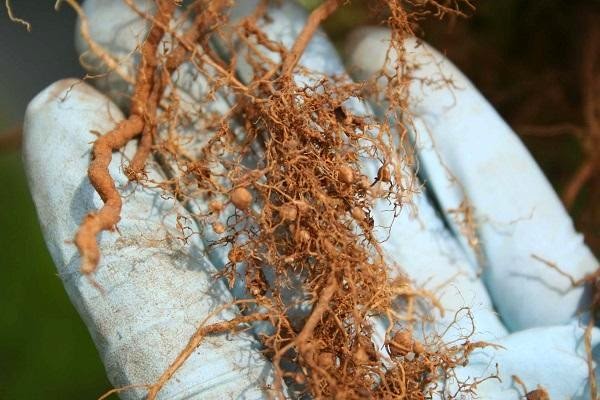
This iamge depicts root nodules. Credit: University of Illinois
Because of its aggressive behavior and its harmful effects, the invasive prairie plant Lespedeza cuneata has been added to several noxious weed lists. Research at the University of Illinois on how soil bacteria interact with the plants' roots to form nodules that fix nitrogen demonstrated that the invasive variety had superior performance when pitted against the native plant variety Lespedeza virginica.

"We expected Lespedeza cuneata to be a strong competitor when up against its native cousin that's planted primarily for prairie restoration," said U of I microbial ecologist Tony Yannarell. "There are a number of studies showing that L. cuneata grows quickly, is able to shade out its competitors, and has a high rate of nitrogen fixation, which allows it to 'self-fertilize' on unproductive soils."
Yannarell explained that Lespedeza plants establish a "partnership" with bacteria in the soil to form nodules that fix nitrogen. "We wanted to demonstrate that the partners in this symbiosis matter," he said.
Because the nitrogen-fixing gene is in the bacteria, the first step in the research was to identify bacteria that have the gene. "We started with isolating a pool of 50 bacteria [from the root nodules of invasive and native Lespedezas] and discovered that some of them weren't traditional nodule-forming bacteria."

Ultimately, seven bacteria were identified and used in a three-month greenhouse experiment in which various combinations of native and invasive varieties of Lespedeza were grown together in pots. Of the seven, five bacteria were found to benefit the invader and two did not benefit either of the plant varieties.

"We were hoping to be able to change the degree of competitiveness by using different varieties of Lespedeza by varying the bacteria," Yannarell said. "It turned out that none of the bacteria seemed to be better for the native plant.

"A really intriguing pattern that we found is that a lot of these strains of bacteria that are good for the invader belong to the Bradyrhizobium genus of bacteria that's been shown in other parts of the world to be good at fixing nitrogen so this was one more confirmation of that information," Yannarell said.

Yannarell said that this study provides yet another piece in the ecological puzzle.

The invasive Lespedeza cuneata was intentionally brought into the United States from Japan near the end of the 1800s. At the time, people liked its nitrogen-fixing capacity and soil fertilization. It was intended to be used to stabilize river banks and rehabilitate poor soil. Yannarell said that it has been recommended as wildlife forage, and some think that it has tannins that can act as a deworming treatment for goats. Now, however, it's considered to be a noxious weed that grows in the South and Midwest. It is commonly called silky bush clover.

Yannarell stressed that there are a lot of different species of Lespedeza that are native to North America and indicative of high-quality prairie. Although Lespedeza cuneata isn't a plant that would be intentionally planted by prairie restorationists, it has been seen in prairie seed mixes.

"Invasive Lespedeza cuneata and native Lespedeza virginica experience asymmetrical benefits from rhizobial symbionts," was published in Plant and Soil and was co-authored by Lingzi Hu, Ryan R. Busby, and Dick L. Gebhart. The work was supported by a grant from the U.S. Army Engineer Research and Development Center and by the Cooperative State Research, Education and Extension Service, U.S. Department of Agriculture.

Source: University of Illinois College of Agricultural, Consumer and Environmental Sciences (ACES)

Deforestation threatens species richness in streams

Written By Unknown on Friday, December 19, 2014 | 4:13 AM

In the catchment area of the river Yangtzekiang in Southern China deforestation takes place in order to gain arable land and build tea plantations. Credit: © M. Kuemmerlen
With a population of 1.3 billion, China is under immense pressure to convert suitable areas into arable land in order to ensure a continued food supply for its people. Accordingly, China is among the top countries in the world in terms of the extent and intensity of land use change. As shown in a new study by a team of scientists led by Dr. Britta Schmalz (Kiel University), in cooperation with Dr. Mathias Kuemmerlen, LOEWE Biodiversity and Climate Research Centre (BiK-F) and Dr. Sonja Jähnig, Leibniz-Institute for Freshwater Ecology and Inland Fisheries (IGB), deforestation may change the water surface runoff conditions, leading to a negative impact on the occurrence of microorganisms in rivers and streams.

Studies in a sub-basin of China's longest river
As part of this study, funded by the German Research Association (DFG), the team examined an area of about 1,700 square kilometers located in the Yangtzekiang River watershed, namely a tributary of the Poyang lake in Southern China. By using an ecohydrological model, it was possible to show how different land use types and intensity levels can influence the hydrological regime. The five scenarios that were studied encompassed three different deforestation and two afforestation scenarios. A medium deforestation rate, in which 53 percent of the forest is preserved (of the original 70 percent) and the remainder is used as agricultural land and for tea plantations, most closely approximates the ongoing expansion rate of agricultural areas in this Chinese region. This scenario was used to model the potential impact of these changes on the distribution of 72 species of invertebrates, known as stream macroinvertebrates.
Considerable range decreases for freshwater biota
Species rich stream reaches could become less frequent as a consequence of deforestation. Especially in areas where land use changes are expected to be most severe, is where insect larvae, snails, worms and leeches might become endangered. "As an example, we highlighted the distribution range of the stonefly Topoperla sp., based on a moderate rate of deforestation. As a result of the projected changes, its distribution range would decrease to a mere 15 percent of its current range," explains Mathias Kuemmerlen, BiK-F. Topoperla sp., as many other invertebrate microorganisms, is regarded as a water quality indicator. This leads to the conclusion that deforestation has a negative impact on the overall water quality.
Conversion to arable land changes the hydrological regime
In the present study, the cause for the decrease in species diversity is the changing hydrological regime resulting from the conversion of forest to arable land. According to the study, increasing deforestation causes, increased surface runoff, especially during the rainy season, which later flows on into streams and rivers. "In forested areas, surface water drains more slowly and in lower quantities; a significant percentage of the rain water is absorbed by the soil and by trees. Higher runoff rates may only be seen in floodplain forests, if at all. If forests are cut down and converted into fields, the surface runoff increases." says Kuemmerlen. If areas are afforested, the opposite trend occurs, allowing soils to store larger amounts of water again.
Land use change should be sustainable
The research team points out that the study's results offer a scientific basis for a sustainable landscape planning and management which takes into account the water cycle of the respective regions. The ultimate goal should be to use the limited resource "land" in a way that it ensures food security. . However, there must be room for the necessary adaptation measures in the face of global climate change. To certain degree this is supported by the preservation of forests in their role as runoff regulators and water reservoirs. Further modeling studies are being carried out elsewhere, also in Germany, in order to continue improving our knowledge on similar processes.
Source: Senckenberg Research Institute and Natural History Museum

What it takes to heal a disaster-ravaged forest: Case study in China

Written By Unknown on Tuesday, October 28, 2014 | 11:34 PM

Jindong Zhang, a post-doctoral research associate in CSIS, spent several months over a period of four years in Wolong dodging landslides, mudslides and rubble strewn roads to survey forest recovery at a finer scale than can be observed from satellites and getting a better handle on the nuances of tree species, height and soil conditions. The data was then combined with that from satellite imagery.
Recovering from natural disasters usually means rebuilding infrastructure and reassembling human lives. Yet ecologically sensitive areas need to heal, too, and scientists are pioneering new methods to assess nature's recovery and guide human intervention.

The epicenter of China's devastating Wenchuan earthquake in 2008 was in the Wolong Nature Reserve, a globally important valuable biodiversity hotspot and home to the beloved and endangered giant pandas. Not only did the quake devastate villages and roads, but the earth split open and swallowed sections of the forests and bamboo groves that shelter and feed pandas and other endangered wildlife. Persistent landslides and erosion exacerbated the devastation.

Typically such natural damage is assessed with remote sensing, which can be limited in fine details. Scientists at Michigan State University (MSU) and in China embarked on a dangerous boots-on-the-ground effort to understand how well the trees, bamboo and critical ground cover were recovering. Their work, which is relevant to disaster areas worldwide, is reported in this week's Forest Ecology and Management.

"Across the world, people are investing billions of dollars to protect valuable natural areas, as well as making enormous investments in restoring such areas after natural disasters," said Jianguo "Jack" Liu, director of MSU's Center for Systems Integration and Sustainability, and a co-author. "It's important we develop ways to understand the fine points of how well recovery efforts are working, so we can direct resources in the right places effectively."

Jindong Zhang, a post-doctoral research associate in CSIS, spent several months over a period of four years in Wolong dodging landslides, mudslides and rubble strewn roads to survey forest recovery at a finer scale than can be observed from satellites and getting a better handle on the nuances of tree species, height and soil conditions. The data was then combined with that from satellite imagery.
What was found was that much of the natural areas were on the road to recovery, and that China's $17 million effort at replanting native trees and bamboo were helping in areas handicapped by poor soil and growing conditions.

"Our evaluation of the Wolong restoration project will have a guiding role in the restoration scheme areas across the entire area affected by the earthquake, Zhang said. "Our study indicated that forest restoration after natural disasters should not only consider the forest itself, but also take into account the animals inhabiting the ecosystem and human livelihoods."

They also noted that such efforts could benefit from more targeting of areas most favored by pandas. The replanting efforts were done by local residents.

"We witnessed pretty intense periods when it seemed like everyone in the target areas were out planting," said co-author Vanessa Hull, a CSIS doctoral candidate who studies panda habitat in Wolong. "My field assistants also joined in on the village-wide efforts. It was pretty neat to see."
But a potential downside to such efforts was that most of the available labor was near villages, and pandas shy from human contact. That meant that some of the best assisted-forest recovery was in areas not favored by pandas. Hull noted, however, that there could be an upside to that. Healthier forests could mean local residents have less need to venture into more far-flung panda-friendly forests.

"We wanted to know if the benefit of this effort was matching up to the investment -- which was
significant," Hull said. "It's an important question, and the world needs good ways to evaluate it as natural disasters are growing in frequency and intensity."


Source: Michigan State University
Summary: Recovering from natural disasters usually means rebuilding infrastructure and reassembling human lives. Yet ecologically sensitive areas need to heal, too, and scientists are pioneering new methods to assess nature's recovery and guide human intervention. A new study focused on the epicenter of China's devastating Wenchuan earthquake in 2008, a globally important valuable biodiversity hotspot and home to the beloved and endangered giant pandas. Not only did the quake devastate villages and roads, but the earth split open and swallowed sections of the forests and bamboo groves that shelter and feed pandas and other endangered wildlife. The study indicated that forest restoration after natural disasters should not only consider the forest itself, but also take into account the animals inhabiting the ecosystem and human livelihoods.
 
Support : Creating Website | Johny Template | Mas Template
Copyright © 2011. The planet wall - All Rights Reserved
Template Created by Easy Blogging Published by Mas Template
Proudly powered by Blogger