Latest Post
Showing posts with label AGRICULTURAL RESEARCH. Show all posts

The University of Rwanda Launch Agribusiness Program in Rwanda

Written By Unknown on Friday, February 6, 2015 | 8:12 PM

Michigan State University and the University of Rwanda recently launched a new Master of Science degree program in agribusiness in Kigali, Rwanda
                                                                   Image Credit: MSU
Michigan State University and the University of Rwanda recently launched a new Master of Science degree program in agribusiness in Kigali, Rwanda.  The gender-sensitive degree program will enroll its first cohort of students in February 2015.

The degree program was jointly developed with funding provided by the U.S. Agency for International Development through the Women’s Leadership Program, implemented globally by Higher Education for Development.

The graduate program prioritizes accessibility to women and midcareer professionals and will incorporate extensive experiential learning opportunities for students. The structure of the program requires all students to partake in an internship, thus better preparing them for leadership and entrepreneurial roles in agriculture in Rwanda. 
“Agriculture is vital to the people and economy of Rwanda, and many of those involved in agriculture are women,” said James McWha, UR professor emeritus and vice chancellor. “Their input to the business of agriculture is essential. It is also important that agriculture adopts a modern business strategy because it is a business and all those involved must learn the relevant skills. This program brings together all the components necessary for a major development of the future of the agriculture and food industries in Rwanda.” 
Using a collaborative approach, the Women’s Leadership Program is designed to support access of women to higher education and advanced degrees, strengthen institutional capacity in research and education on women’s leadership and promote women’s leadership through higher education extension/outreach efforts in underserved communities. 

“The empowerment of women through the expansion of their leadership opportunities and spaces for their voices to be heard is a top priority for USAID globally, including in Rwanda,” said Joseph Lessard, USAID/Rwanda economic growth director. “We really believe this program will give women rich opportunities to share their expertise and play major roles in the country’s economic development. We congratulate the University of Rwanda and Michigan State University on this achievement, and look forward to seeing how it will benefit Rwanda into the future.” 

MSU has a rich history of working collaboratively with the Rwandan government and its institutions of higher education. 

“It has been a great honor to continue the tradition of our two universities working together to advance the agriculture sector in Rwanda,” said Gretchen Neisler, principal investigator on this project from MSU.  “Working collaboratively on the Rwanda Women’s Leadership Program has been very rewarding. I look forward to strengthening our partnership with the UR through the continued development of this degree program.  I am also excited to explore new and innovative ways for our two universities to work together to educate the next generation of thought leaders at both Michigan State University and the University of Rwanda.”

Source: MSU

The Michigan State University Gets USDA Grant to aid Michigan's Fledgling Farmers

MSU GETS USDA GRANT TO AID MICHIGAN’S FLEDGLING FARMERS
                                                                  Image Credit: MSU
Michigan State University has long been a resource for small farms in Michigan. Thanks to a $750,000 grant from the United States Department of Agriculture, MSU will be able to help even more fledgling farmers get their start.

“This grant will enhance and create a vibrant network of farmer training across Michigan to help them negotiate the first five years of their endeavor,” said Mike Hamm, C.S. Mott Professor of Sustainable Agriculture and Director of MSU Center for Regional Food Systems. “Our programs will cater to different perspectives and needs while moving everyone who desires to farm along the path of building a viable business."

As part of the grant, the MSU Student Organic Farm will expand its Organic Farmer Training Program. Without programs like this, burgeoning farmers like Joannee DeBruhl, farm manager of Stone Coop Farm, may not have ever gotten her start.

DeBruhl, who spent much of her career in the insurance business, was laid off in 2009. Looking for a major change, she gravitated toward community gardening and eventually enrolled in MSU’s Organic Farmer Training Program.

“The program was great; it gave me lots of hands-on training and showed that it was possible and not just a dream,” DeBruhl said. “I think the USDA grant will be a huge benefit for small farmers because there’s not much money out there to help them get started.”

Training and help with startup costs are crucial, and this grant will be managed well by MSU, she added.

WATCH VIDEO
Key to the project is MSU’s partnership with Michigan Food and Farming Systems, which runs the Women in Agriculture Collective Farming Initiative at Genesys Health System in Genesee County. This partnership will develop site- and people-appropriate training programs that help beginning women farmers build a successful business.

In addition to women, the grant also will develop training programs for Hispanic farmers. The number of Hispanic farms in Michigan continues to grow, and MSU will assist this historically underserved farmer population through training and site development assistance at the Farmers on the Move Cooperative in Battle Creek.

MSU also will launch new, and improve existing, programs that target the biggest challenges facing small-farm viability – land access, capital access, market access, business planning and strategizing for scaling up production.

Additional MSU contributors helping with this grant include: Jeremy Moghtader, Shakara Tyler. Michelle Napier-Dunnings, with Michigan Food and Farming Systems, also will be contributing to these efforts.

Source: Michigan State University

Five AGRIPIR projects for introducing new technologies into highland agriculture

epasto, "virtual herder" , AGRIPIR

Five projects for introducing new technologies into highland agriculture will be launched as a result of the European cross-border cooperation AGRIPIR project. In concrete, plans are being drawn up for the teledetection of diseases amongst animals, the prevention of attacks by wolves and other predators, there mote monitoring of herd activity, and the self-supply of energy to remote holdings, as well asa “virtual herder” for controlling herds at a distance.

The European AGRIPIR project, in which various partners on both sides of the Pyrenees have been working for over three years in order to modernise agriculture and animal herding in mountainous areas, concluded with a two-day seminar in Bidart (in Labourd, in the continental Basque Country) . Five innovative projects to introduce new technologies onPyrenees farm-holdings were presented. The seminar was held on 11 and 12 ofDecember, in the presence of a number of authorities, outstanding amongst whom was the recently appointed European Commissioner for Agriculture and Rural Development, Mr. Phil Hogan from Ireland.

In concrete, this network of exchange and experimentation for the revaluation and enhancement of agriculture in the Pyrenees has given rise to four new projects:

- Power Box: developing an energy kit made up of various supply sources and that guarantees energy autonomy for mountain herders and shepherds in zones of difficult access in order to carry out their daily tasks.

- Mastech: developing technologies based on nuclear magnetic resonance, thermography, proteomics (the study of proteins) and measures based on behaviour andphysiologyfor the early detection amongst sheep, goat and cattle herds of mastitis processes (the most frequent diseases that affect the dairy industry worldwide).

- Live-Pre Life: improving the co-existence of large predators and herds in mountain areas, through developing intelligent fencing, methods for the early detection of attacks, and active systems to drive away wolves and other potentially dangerous animals.

- Cowmon: developing an open, low-cost system with unlimited autonomy for monitoring herd activity over large expanses of terrain and to provide new services linked to animal welfare and tothe productivity of farmlands.

A pilot project known as e-Pasto has also already been developed, involving a “virtual herder” to control herds remotely, using latest-generation geo-location devices fitted to the collars of the animals.

Source: Elhuyar Fundazioa

UT Institute of Agriculture Launches New Branding Campaign

Written By Unknown on Thursday, February 5, 2015 | 6:42 PM

There’s no mistaking the system colors of the University of Tennessee. Everywhere you look, there’s plenty of orange.

However, the UT Institute of Agriculture (UTIA) is adding new splashes of color to the landscape, along with redesigned logos for the Institute and its four units. All feature the orange “UT” system icon that is so widely recognized. In addition to the new theme colors, UTIA is adopting a new tagline that will serve as its branding promise: Real. Life. Solutions.

“We believe the Institute of Agriculture’s new logo and brand promise best represent our statewide presence in all 95 counties of Tennessee,” says UTIA Chancellor Larry Arrington. “Visual branding is important when telling the story of an organization, and our new look and message will help us better communicate our land-grant mission.”

UTIA’s new logo features the traditional orange with a slate font. UT Extension features a green or “pasture” color. UT AgResearch is represented by a dark blue known as “bluff.” The UT College of Agricultural Sciences and Natural Resources has a blue “azure” color, and the UT College of Veterinary Medicine features a gray “granite” color. The brand promise will be featured prominently on printed and electronic materials, and be a part of apparel and signage around Tennessee. Images of the new logos can be found on the UTIA Marketing website: ag.tennessee.edu/marketing

"Our brand promise speaks to what the faculty, staff, students, alumni and supporters do every day, and that is working to find answers to society's many challenges," says Lisa Stearns, vice chancellor for UTIA Marketing and Communications. "Providing real life solutions that make a positive impact in our state and beyond is our commitment."

The campaign was developed by UTIA’s Marketing and Communications unit over the past year. It included a statewide audit of printed and electronic materials, and consulting an expert to guide a discussion on branding architecture. In addition, the team worked with the UT System Marketing and Communications Office to make sure the direction in which UTIA was moving would help promote the UT brand.

The Institute will begin phasing in the new logos and brand promise immediately, and the goal is to have full implementation by the end of 2015 across Tennessee.

The UT Institute of Agriculture provides instruction, research and outreach through the UT College of Agricultural Sciences and Natural Resources, the UT College of Veterinary Medicine, UT AgResearch, including its system of 10 research and education centers, and UT Extension offices in every county in the state.

Source: UTIA

February 2015 Supermarket Orchid, Mass marketing has hit the orchid world!

The phalaenopsis, or moth orchid, is a favorite gift orchid and is readily available in supermarkets and garden centers. It comes in a variety of colors and exotic patterns, and with care the long-lived blooms can be enjoyed for weeks. Photo by P. McDaniels, courtesy UTIA

Did someone bless you with a beautiful orchid? Mass marketing has hit the orchid world!
Among the most popular orchids for gifting are cattleyas (pronounced “KAT-lee-uh”). Another favorite gift orchid is the genus phalaenopsis (pronounced “fail-en-NOP-sis”).  This orchid is nicknamed the moth orchid because of the shape of its blooms. Both come in a variety of sizes and colors, are readily available in grocery stores and garden centers, and can look just as good in your home as the store.

In spite of the fact that my friends think I can grow anything with little regard for plant rules, I will confess that I managed to kill the first two orchids I was given years ago by simply not consulting the experts. Orchids are epiphytes or air plants that have developed specialized water-storage organs. They like to attach to moist tree bark in a tropical atmosphere. Thus, they have their own set of recommended growing practices. The American Orchid Society (aos.org) gives great advice on keeping your new friend healthy and blooming. 

Both cattleyas and phalaenopsis appreciate a lot of air movement and a long day of filtered, bright light. They don’t appreciate direct sunlight but do thrive in temperatures between 60 and 85 degrees Fahrenheit. Living in an east-facing window usually makes them happiest.

Both orchids should be kept in free-draining growing media. The AOS recommends even moisture, although allowing the media to dry slightly can be beneficial. I recommend you water your orchid once a week, at most. Be sure the water can drain and does not stand in the pot. The pot it came in probably has no drainage, so your job is to not overwater. You can also create drainage holes.

Orchids should be watered in the morning. Because the water should run through the pot, place the plants in the sink. Tepid water is recommended. Also, do not use salt-softened or distilled water. Let the water run through the plant for a minute or so. Be sure to let the plant drain completely. If any water gets trapped in the leaves, use a paper towel to blot. This will help avoid crown rot. If you’ve read that you should just lay some ice cubes around the roots, I have found that generally works, also.

As for fertilizer, there are a number of mixtures and brands, but the AOS recommends that any fertilizer you use should not contain urea. Their website discusses recommended methods. If you want to try a home fertilizer brew, you might try your morning brew. I dump the dregs of my coffee pot into my orchids once a week, all year around.  For an average pot with a 5-inch top measurement, about 1/4 cup of these leavings works best. Doing this will negate the job of occasional fertilizing, as the dregs give your new friend all the encouragement it needs to do its best. I use “high test” (caffeine) coffee leavings, but a friend is using decaf on hers. It will be interesting to see which formula produces the best results. 

When orchids have completed their flowering cycle, it’s time to cut the flower stem to encourage a new bloom on a healthy plant. Again, the AOS has a number of tips about getting your orchid to re-bloom. For phalaenopsis, they recommend cutting the flower stem ½-inch above the first or second node. Be sure your pruners have been disinfected. The plant will most often grow another flower stem and re-bloom.

Repotting may be necessary every one to three years if the plant becomes root-bound or the media needs replenished.  Don’t be tempted to substitute the loose medium that came with your orchid with your favorite soil mix. Orchids like orchid mixes that drain well, otherwise they may decline to the point of no return.

Source: UTIA

Description of Telamoptilia grewiae sp. n. and the consequences for the definition of the genera Telamoptilia and Spulerina (Lepidoptera, Gracillariidae, Gracillariinae)

Written By Unknown on Tuesday, February 3, 2015 | 7:36 PM

Adult, host plant and mines of Telamoptilia grewiae sp. n. 1 Adult in habitus, paratype 2 Live adult 3 Host plant 4 Linear mines by early instar larvae 5 Blotch mine by later instar larva 6 Seriously damaged leaves found in September. Credit: Zookeys

The genus Telamoptilia Kumata & Kuroko, 1988 is globally represented by five species that may be found in the Oriental and African regions. The type species T. cathedraea (Meyrick, 1908) is geographically shared by the Oriental Region and Madagascar (De Prins and De Prins 2014). Three species are currently known from China, including T. cathedraea, T. hemistacta (Meyrick, 1924), and T. prosacta (Meyrick, 1918).

The larvae of Telamoptilia species are leaf miners. Three plant families are known as hosts for Telamoptilia: Malvaceae, Amaranthaceae and Convolvulaceae (De Prins and De Prins 2014). Vรกri (1961) briefly described the biology of T. geyeri (Vรกri, 1961). Kumata et al. (1988) described the biology and the larval body chaetotaxy of three species: T. cathedraea, T. prosacta and T. tiliae (Kumata & Ermolaev, 1988). However, no larval head chaetotaxy and pupal features of Telamoptilia have been described so far.

Telamoptilia grewiae sp. n. is associated with Malvaceae and is described in the present paper from adult external characters, male and female genitalia, wing venation and immature stages. The larval head and pupal features are described for the first time in Telamoptilia.

Methods

Field investigations were carried out in Mt. Baxian National Nature Reserves (40°11'N, 117°32'E), 300−600 m, Tianjin, China, from May to September in 2013 and June 2014. Leaves containing mines with larvae were placed in sealed plastic bags, or rearing containers with moist cotton. Larvae removed from mines were immersed in nearly boiling water for 30 seconds, and then were kept in 75% ethanol for morphological examination. Last instar larval skins, pupae, and exuviae were kept in 75% ethanol. Pupae in rearing containers were placed outdoors to overwinter, and were transferred into the laboratory at 20 °C on February 6, 2014. Emergence successively occurred from March 9 to early-April 2014. Adults were collected chiefly by rearing from immature stages, and occasionally by light trap.

Adult photographs were taken with a Leica M250A stereo microscope. Genitalia and wings were dissected and mounted according to the methods introduced by Li (2002), but stained with Eosin Y and/or Chlorazol Black, and the illustrations were prepared by using a Leica DM750 microscope, and refined in Photoshop® CS4 software. For scanning electron microscopy, larvae and pupae were dehydrated in gradient ethanol, dried in vacuum and coated with gold in a SCD 005 Sputter Coater (BAL-TEC), then operated with a voltage of 15 kV using Quanta 200 environmental scanning electron microscope (SEM) (FEI, Oregon). Line drawings were outlined from the photos taken by the Leica M250A stereo microscope, using path tool in Adobe Photoshop® CS4 software. Photographs of host plant, mines and a live adult were taken in the field using Canon PowerShot G10 digital camera.

Terminology of immature stages follows Davis and De Prins (2011) and De Prins et al. (2013), and that of adults follows Kumata et al. (1988). Thoracic segments I−III and abdominal segments 1−10 are abbreviated as TI−TIII and A1−A10, respectively.

All the specimens studied, including the types of the new species and the vouchered larvae and pupae, are deposited in the Insect Collection, Nankai University, Tianjin, China.

Taxonomy

Adults (Figs 1–2) with wing span 6.0−8.0 mm. Head silvery white, tinged with gray on face. Labial palpus grayish white, colored blackish gray on outer surface of distal half of second segment and before apex of third segment. Maxillary palpus white, with middle or distal half blackish fuscous. Antenna with scape white on posterior half, blackish gray on anterior half and distal portion, flap blackish gray tinged with white, as wide as scape in frontal view; flagellum silvery grayish fuscous, with each unit blackish distally. Thorax and tegula blackish gray mixed with white. Legs mostly white; foreleg with coxa blackish fuscous basally and distally, femur and tibia blackish fuscous, tarsus blackish gray distally on each except last segment; midleg with coxa blackish fuscous distally, femur blackish fuscous, except white medially and distally on dorsal surface, with ventral scale expansion blackish fuscous, tibia blackish fuscous basally and distally, white medially, tarsus white, each except last segment dotted blackish fuscous distally; hindleg with coxa blackish fuscous distally, femur blackish fuscous distally on outer surface, tibia blackish fuscous basally and distally, tarsus with basal three segments blackish fuscous distally, fourth segment dotted blackish fuscous dorso-distally. Forewing grayish fuscous to blackish fuscous; costal margin with a white spot basally at about 1/10 and one before apex, the former sometimes touching fold posteriorly, with white stria at distal 3/10 and 1/6 obliquely outward, reaching middle of wing and near termen respectively; transverse white fascia from costal 1/3 and 1/2 obliquely outward, reaching dorsal 1/2 and before end of fold respectively, edged with blackish fuscous to black scales, inner fascia wider than outer one, widened on posterior half; small white dot on distal end of M3, two or three small white dots along termen; apex blackish fuscous; cilia mostly blackish fuscous basally, gray distally, white adjacent to white markings, white on basal 1/4, black on median part, gray distally at apex, gray along dorsal margin. Hindwing and cilia uniformly gray.

Source: Read Full Artical at - ZOOKEYS

The anatomy of petal drop in sunflowers

Written By Unknown on Sunday, February 1, 2015 | 12:12 AM

Study finds cell division at abscission zone of short-lived cultivar occurs earlier than in long-lived variety

ITHACA, NY - Despite their consumer popularity as cut flowers, some sunflowers are difficult to market because of their tendency to lose petals soon after their flowers open. This characteristic, "petal drop", which in some varieties can occur within a day of the flowers' opening, ruins the appearance of sunflowers and damages their market value. Sunflower growers interested in finding cultivars that are less prone to this condition have had limited information about petal drop, but a new study in the Journal of the American Society for Horticultural Science contains findings can inform both sunflower breeding programs and consumers' choices.

Joyous Suiyigheh Tata and Hans Christian Wien from the Department of Horticulture at Cornell University studied the abscission zone, a differentiated region where petal drop initiates, at the base of petals of sunflower florets in two different cultivars. "We wanted to determine if differences in the abscission zone among sunflower cultivars were correlated with differences in timing of petal drop," the authors said. Two pollen-free hybrid sunflower cultivars were selected for evaluation: Procut Bicolor, which loses its petals easily, and Procut Yellow Lite, which holds its petals much longer.

For the first experiment, the researchers measured separation force for the two sunflower cultivars using a modified soil cone micropenetrometer, an apparatus that measures separation forces in the opposite direction. "The separation force experiments showed that detachment forces switched from an initial high to low in both cultivars because of the maturation of the separation layer. This maturation occurred earlier in the cultivar that is first to lose its petals (Procut Bicolor)," the authors said. They noted that there were no force readings for the short-lived cultivar on day 9 and day 12 because the flower had already wilted.

"In the second experiment, we studied the changes in the anatomy of the petal-achene juncture of the two cultivars," the scientists explained. Three stages from Procut Bicolor (PBC) and four stages from Procut Yellow Lite (PYL) were studied. These stages represent a time course with physiological relevance; when the flower just opens (anthesis), 8 days (the end of flower life for PBC), and 12 days (the end of flower life for PYL). The study also included analyses of petal anatomy at 4 days after harvest. The "end of flower life" was defined as the time when detachment force equals zero; when simply touching the petals caused them to fall off easily. Results of the analyses showed that cell division at the abscission zone of the short-lived cultivar occurred earlier than in the long-lived cultivar. "These results reveal that there was a difference in timing in the formation and maturation of the separation layer between the two cultivars," the authors said.

Interestingly, analyses showed that the mean "break strength" of cultivars in the yellow group was higher and significantly different from cultivars in the orange and bicolor groups, which were in turn higher than cultivars in the red group. Mean vase life (12 days) of the sunflowers in the yellow group was longer than cultivars in the orange group (10 days), while the vase life of the orange group was longer than cultivars in the bicolor group (9 days). The vase life of the red cultivars was shortest at 8 days. "We found that vase life has a strong relationship with flower color; the darker cultivars in the study had a shorter vase life compared with the lighter cultivars," the scientists remarked.

"The anatomy of petal drop in sunflower is similar to the majority of established descriptions in other species; the process involves the separation of four to five rows of smaller transversely oriented cells that lay horizontally across the diameter at the juncture between the petal and the achene, the separation layer," the authors said. "The concept that the timing of the maturation of the separation layer in the abscission zone helps determine the timing of petal drop is strongly supported by both the physical and anatomical investigations."

The authors concluded that the regression equation and results from the petal detachment force experiments can be used to screen sunflower cultivars in order to determine groupings of short-lived vs. long-lived cultivars. They said that the study contains beneficial information for sunflower breeding programs working to improve the breed's longevity, which can ultimately lead to increased sunflower sales.

Source: ASHS

Scientists call for soil mapping program to help Indian agriculture

Written By Unknown on Wednesday, January 28, 2015 | 6:57 PM

Delegates to the University's agriculture workshop at Kharagpur
Scientists attending an agriculture workshop in India organised by the University of Sydney have called for a detailed soil mapping program to help policy makers and farmers draw up effective land management proposals.

The Soil and Water National Networking Workshop, organised jointly with the Indian Institute of Technology at Kharagpur, involved 40 scientists from India and Australia.

They discussed key issues including soil security, digital soil mapping, India's participation in the Global Soil Map project, national level spectral libraries, soil data requirement in crop simulations, soil health mapping, hydrological model behaviour, and using soil digital and satellite data for hydrologic models.

A number of speakers urged India to participate in the Global Soil Map and accelerate the provision of fine scale information on soil fertility and conditions in India. The information could also be used to monitor and understand the change over time in soil nutrients.

The workshop's soil group was led by Professor Budiman Minasny, Professor Bhabani Das and Dr Kanika Singh from the University of Sydney. The hydrology group was led by A/Professor Willem Vervoort from Sydney, Dr Rajib Maity and Mr Dipangkar Kundu.

The workshop was launched with a welcome video by Professor Alex McBratney, the Dokuchaev award winner in Soil Science, who is actively involved with the Global Soil Map.

Dr Singh said: "The workshop was a great success; the Indian scientists showcased high quality research and are open to future collaboration in the Global Soil Map effort.

"The director of IIT Kharagpur in his speech talked about a joint collaboration between India and Australia for a comprehensive digitisation of soil information contributing to soil security and sustainable productivity. The Assistant Director General of the Indian Council of Agricultural Research is also keen to developIndian collaboration in the Global Soil Map effort.

"We look forward to long-term collaboration with IIT Kharagpur and other such organisations in India to achieve collaborative research."

The workshop was sponsored by the Australia-India Council.

Contact: Richard North
Phone: 02 9351 3191
Email: richard.north@sydney.edu.au

 Source: THE UNIVERSITY OF SYDNEY

Study shows Brazil’s Soy Moratorium still needed to preserve Amazon

Written By Unknown on Tuesday, January 27, 2015 | 7:35 PM

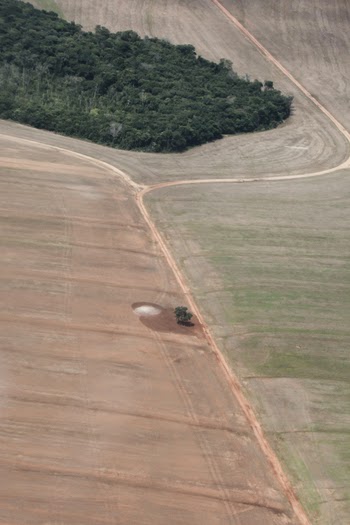
Soybeans grow near a forested area in the Brazilian state of Mato Grosso. Under the Soy Moratorium, major trading companies do not purchase soybeans produced in the Brazilian Amazon on recently deforested areas. Credit: Lisa Rausch
Today, fewer chicken nuggets can trace their roots to cleared Amazon rain forest.

In 2006, following a report from Greenpeace and under pressure from consumers, large companies like McDonald's and Wal-Mart decided to stop using soy grown on cleared forestland in the Brazilian Amazon. This put pressure on commodity traders, such as Cargill, who in turn agreed to no longer purchase soy from farmers who cleared rain forest to expand soy fields.

The private sector agreement, a type of supply chain governance, is called the Soy Moratorium and it was intended to address the deforestation caused by soy production in the Amazon. In a new study to evaluate the agreement, published today (Jan. 22, 2015) in Science, the University of Wisconsin-Madison's Holly Gibbs and colleagues across the U.S. and Brazil show that the moratorium helped to drastically reduce the amount of deforestation linked to soy production in the region and was much better at curbing it than governmental policy alone.
Holly Gibbs

"What we found is that before the moratorium, 30 percent of soy expansion occurred through deforestation, and after the moratorium, almost none did; only about 1 percent of the new soy expansion came at the expense of forest," says Gibbs, a professor of environmental studies and geography in the UW-Madison Nelson Institute's Center for Sustainability and the Global Environment (SAGE).

Between 2001 and 2006, prior to the moratorium, soybean fields in the Brazilian Amazon expanded by 1 million hectares, or nearly 4,000 square miles, contributing to record deforestation rates. By 2014, after eight years of the moratorium, almost no additional forest was cleared to grow new soy, even though soy production area had expanded another 1.3 million hectares. Farmers were planting on already cleared land.

The findings are intended to help policy makers and industry leaders make informed decisions going forward.

"We really wanted to understand if the Soy Moratorium mattered," says Gibbs. "There was a lot of discussion about ending the moratorium in 2014 and we wanted to know what the agreement meant on the ground and how it compared with governmental policy, which is the proposed replacement."

Brazil, Gibbs says, has some of the world's most stringent environmental legislation. Public policies, including increased enforcement of state and federal laws, have gone a long way to slow the destruction of rain forest. Yet, the study shows that "government policy alone is simply not enough," Gibbs says. At least, not yet.
Photo: Brazilian farmers examine their soybean crop Brazilian farmers examine their soybean crop. Credit: Lisa Rausch
Using 15 years (2000-2014) of satellite-based imagery covering the Brazilian Amazon forest and the Cerrado, another large tropical biome in Brazil comprising woodlands and scrublands, the researchers assessed how much land had been cleared to grow soy. They examined land use on thousands of individual farms and identified substantial large-scale deforestations not penalized by Brazilian authorities.

The team also mapped already-cleared areas suitable for soy production to assess the potential for future expansion under the Soy Moratorium and determined how much illegal deforestation was still occurring for purposes other than soy and in direct violation of Brazil Forest Code laws.

What the team found was surprising.

"Only 115 people out of several thousand soy farmers have violated the Soy Moratorium since 2006, but over 600 of them have violated the Forest Code," Gibbs says. "So, this same group of farmers is five times more likely to violate the governmental policy than they are to violate the private sector agreement."

For instance, the Forest Code dictates that 80 percent of Amazon rain forest on a person's property must be held in reserve; they can only clear 20 percent. Yet, just 2 percent of soy farmers have maintained their legal reserve and even farmers abiding by the moratorium were still illegally clearing forest on their properties, just not for growing soy.
A provision in the Forest Code also requires that property owners register their land, after which their name and a clear map of their property becomes publicly available. While the researchers say this is a huge step forward, the study found that property registration alone does not safeguard forests. For example, nearly a quarter of the illegal deforestation that occurred over the last year in the state of Mato Grosso, the Amazon's "soy capital," happened on these registered properties.
An island of forest in a sea of soy agriculture in Mato Grosso. Credit: Rhett Butler
Additionally, the researchers found that while soy-linked deforestation diminished in the Amazon biome, 20 percent of new soy areas created in the Cerrado over the study period directly led to deforestation. Expanding the moratorium to the Cerrado would reduce this conversion.

"It reinforces the idea that private sector interventions will be needed in the long term to maintain the deforestation-free production of soy," says Gibbs, who notes that soy is Brazil's most profitable crop and that most goes to feed animals produced for food. "Without the moratorium, chicken nuggets would once again contribute to rain forest destruction."

Implementing environmental laws across the Brazilian Amazon, an area more than six times the size of Texas, is a huge challenge, and Gibbs points out that enforcement has significantly ramped up in recent years. Despite this, the study found that government enforcement efforts capture only between 15 and 50 percent of illegal, large-scale deforestation. Even then, many factors make execution of fines and other penalties difficult.

Meanwhile, the study shows that a small number of soy traders, like Cargill, ADM and Bunge, have "a lot of power and control to influence land management decisions on the ground," says Gibbs.

The study also found there is enough already-cleared, suitable land in the Amazon to allow soy production area to expand by 600 percent. Presently, the area of land used to grow soy in the Amazon is comparable to the size of Vermont. Brazil rivals only the U.S. in terms of soy production and trade.

The team continues to use satellite data and field surveys to better understand deforestation dynamics and land use decisions in the Brazilian Amazon and Cerrado, the most active land use frontiers in the world. Gibbs and colleagues are also conducting econometric analysis to evaluate the interplay between deforestation and the Soy Moratorium, one of the first voluntary zero-deforestation agreements in the world.

Ensuring this reduced deforestation continues is a priority for those involved, and Gibbs says new approaches to the policy — that combine elements from public and private strategies — are being considered.

"We work closely with policymakers, the agricultural industry and nongovernmental organizations, and aim to use our rigorous scientific analysis to help inform decisions going forward," Gibbs says.

The study was funded by the Gordon and Betty Moore Foundation, the Norwegian Agency for Development Cooperation's Department for Civil Society, NASA and several Brazilian agencies. Co-authors include researchers from NASA; the University of Maryland, College Park; the National Wildlife Federation; Universidade Federal de Minas Gerais, Belo Horizonte; IMAZON Institute of People and the Environment; and Instituto Centro de Vida.

Material Source: UW
Source: Center for Sustainability and the Global Environment(SAGE).

Statistical model predicts performance of hybrid rice

Written By Unknown on Tuesday, January 6, 2015 | 11:12 PM

Long-grain rice
Genomic prediction, a new field of quantitative genetics, is a statistical approach to predicting the value of an economically important trait in a plant, such as yield or disease resistance. The method works if the trait is heritable, as many traits tend to be, and can be performed early in the life cycle of the plant, helping reduce costs.

Now a research team led by plant geneticists at the University of California, Riverside and Huazhong Agricultural University, China, has used the method to predict the performance of hybrid rice (for example, the yield, growth-rate and disease resistance). The new technology could potentially revolutionize hybrid breeding in agriculture.

The study, published online in the Proceedings of the National Academy of Sciences, is a pilot research project on rice. The technology can be easily extended, however, to other crops such as maize.

"Rice and maize are two main crops that depend on hybrid breeding," said Shizhong Xu, a professor of genetics in the UC Riverside Department of Botany and Plant Sciences, who co-led the research project. "If we can identify many high-performance hybrids in these crops and use these hybrids, we can substantially increase grain production to achieve global food security."

Genomic prediction uses genome-wide markers to predict future individuals or species. These markers are genes or DNA sequences with known locations on a chromosome. Genomic prediction differs from traditional predictions in that it skips the marker-detection step. The method simply uses all markers of the entire genome to predict a trait.

"Classical marker-assisted selection only uses markers that have large effects on the trait," Xu explained. "It ignores all markers with small effects. But many economically important traits are controlled by a large number of genes with small effects. Because the genomic prediction model captures all these small-effect genes, predictability is vastly improved."
Without genomic prediction, breeders must grow all possible crosses in the field to select the best cross (hybrid). For example, for 1000 inbred parents, the total number of crosses would be 499500.

"It is impossible to grow these many crosses in the field," Xu said. "However, with the genomic prediction technology, we can grow only, say, 500 crosses, then predict all the 499500 potential crosses, and select the best crosses based on the predicted values of these hybrids."

Xu noted that genomic prediction is particularly useful for predicting hybrids because hybrid DNA sequences are determined by their inbred parents.

"More cost-saving can be achieved because we do not need to measure the DNA sequences of the hybrids," he said. "Knowing the genotypes of the parents makes it possible to immediately know the genotype of the hybrid. Indeed, there is no need to measure the genotype of the hybrid. It is fully predicted by the model."

When the researchers incorporated "dominance" and "epistasis" into their prediction model, they found that predictability was improved. In genetics, dominance describes the joint action of two different alleles (copies) of a gene. For example, if one copy of a gene has a value of 1 and the other copy has a value of 2, the joint effect of the two alleles may be 4, indicating that the two alleles are not additive. In this case, dominance has occurred. Epistasis refers to any type of gene-gene interaction.

"By incorporating dominance and epistasis, we took into account all available information for prediction," Xu said. "It led to a more accurate prediction of a trait value."

Genomic prediction can be used to predict heritable human diseases. For example, many cancers are heritable and genome prediction can be performed to predict disease risk for a person.

Xu was joined in the research by Qifa Zhang and his student Dan Zhu at Huazhong Agricultural University, China.

Next the research team, led by Xu and Zhang, will design a field experiment to perform hybrid prediction in rice.

Flu at the zoo and other disasters: Experts help animal exhibitors prepare for the worst

Written By Unknown on Monday, December 22, 2014 | 7:33 PM

After experiencing power outages during a 2007 ice storm in Springfield, Mo., Dickerson Park Zoo officials improved their backup power and heating systems to keep animals -- like Henry, pictured here -- safe and warm. Credit: Dickerson Park Zoo
Here are three disaster scenarios for zoo or aquarium managers: One, a wildfire lunges towards your facility, threatening your staff and hundreds of zoo animals. Two, hurricane floodwaters pour into your basement, where thousands of exotic fish and marine mammals live in giant tanks. Three, local poultry farmers report avian influenza (bird flu) in their chickens, a primary source of protein for your big cats.

What do you do?

These are among the many potential disasters the managers of zoos and aquariums ponder in their emergency preparedness drills and plans. But these stories are not just worst-case scenarios: The events described above actually happened, and the aftermath -- often heroic, and sometimes tragic -- depended in large part on the institutions' preparedness training, planning and forethought in calmer times.

When bad weather strikes or illness invades, zoos and aquariums are among the most vulnerable facilities affected, said University of Illinois veterinarian Yvette Johnson-Walker, a clinical epidemiologist who contributes to emergency response training efforts at animal exhibitor institutions. She is a clinical instructor in the department of veterinary clinical medicine at Illinois, and lead author of a new paper on emergency preparedness at zoos and aquariums in the journal Homeland Security & Emergency Management.

Some animals are likely to suffer if the electricity goes out for long, she said. Others are large, skittish and dangerous under normal conditions.

Training caretakers and keepers to minimize their own risks while attending to their animals in an emergency is a challenge, but leads to the best outcomes, she said.

In 2012, Johnson-Walker joined forces with Yvonne Nadler, a project manager with the Zoo and Aquarium All Hazards Preparedness Response and Recovery Center, to bring vital emergency training to accredited animal exhibitor institutions in Illinois, Indiana and Missouri. This effort, funded by the U.S. Department of Agriculture and supported by the Association of Zoos & Aquariums, has since expanded, providing training to staff from zoos and aquariums in 23 states.

The trainings, dubbed "Flu at the Zoo," focus on avian influenza, a viral disease that spread in the 2000s among wild and captive birds and also infected hundreds of people, primarily in Asia, Africa and the Middle East. Bird flu serves as a useful model scenario to help train participants in basic preparedness skills.

One such skill is familiarity with the Incident Command System (ICS), a framework developed by firefighters and adopted by the Federal Emergency Management Agency (FEMA) that allows first responders to quickly set up their emergency response operation and assign vital tasks. The ICS has long been used by public safety, law enforcement and public health entities involved in emergency response.

"We wanted zoos and aquariums to have a seat at the table when there's planning for how we're going to respond to emergencies, and to be able to fit into the system, know who to talk to and how to communicate," Johnson-Walker said.

It's also important to recognize the other responders and understand their roles, she said. If the event involves a disease like bird flu, the USDA, FEMA, National Institutes of Health, state veterinarian, state and federal wildlife services, public health authorities, veterinary organizations, police, hospitals and perhaps even local poultry operations will be involved in the response. Knowing who does what can speed communication in a crisis.

Planning also helps managers make best use of the limited supplies or equipment they have on hand, Nadler said.

"There are certain types of livestock trailers, for example, that can be adapted to moving big cats," she said. "Is that your preferred method of movement? Of course it isn't, but in an emergency that might be your only option."

One beneficiary of the emergency training, Melinda Arnold, knows firsthand the value of preparedness. Arnold is public relations director for Friends of the Zoo, affiliated with Dickerson Park Zoo in Springfield, Missouri. The zoo suffered a blackout during a 2007 ice storm that shut off power for most of the city for several days.

"We did have backup generators," Arnold said. "The greatest problem with the generators was that those fueling stations in town that did have gas didn't have power, so they couldn't pump the gas."

Zoo staff had to travel many miles outside of the affected area with gas cans to collect gas to run the backup generators, she said.

"Now we have some propane-powered backups," Arnold said.

A more recent incident at the zoo, the accidental death of a zookeeper in 2013, caused Dickerson Park Zoo officials to re-evaluate all of their safety protocols. Even though the zookeeper had decades of experience and was guarded by a protective barrier, a skittish elephant rushed him at an unguarded moment, and he fell and was trampled to death.
"It made us step back, not only in our elephant management but in all areas of the zoo, and look at our safety procedures and points of contact with dangerous animals and evaluate those safety conditions and make improvements," Arnold said.

The preparedness plans, drills, discussions and training all help zoos and aquariums reassess their procedures, even those that seem to be safe after decades of operations and no major incidents, she said.

Source: University of Illinois at Urbana-Champaign

Mapping bats could help stop Ebola's spread

Fruit bats (Pteropodidae) are considered the likely host of the Ebola virus. Credit: Satit Srihin
In the fight against Ebola, mapping fruit bat habitats could be one important step, says a geoinformatics researcher at Sweden's Royal Institute of Technology.

Like the Black Death that ravaged medieval Europe, the Ebola virus' progress through remote areas of West Africa is enabled by lack of understanding about the disease, including its causes and transmission.

Mapping technology however will give responders to the crisis in Africa the upper hand in stopping the spread of the deadly disease, says Skog, a researcher in geoinformatics at Sweden's KTH Royal Institute of Technology.
Skog's research has produced a method that medical professionals can use to visualise the geographical distribution of a disease over time. In his research, Skog has explored the relationship between geography and disease distribution in major epidemics of the past, including the Black Death, the Russian Flu pandemic of 1889, the Asiatic Influenza of 1957 and the swine flu. He says the historical data provides a basis for predicting the course of future epidemics and pandemics.
"My research and method can also be used to report the current state of a pandemic, or predict how extensive the spread will be. And where the disease will strike next," Skog says.

In fact, the way in which Black Death spread during the mid 14th, century bears a no small resemblance to today's Ebola epidemic, he says. Both diseases were hosted by small mammals -- black rats and fruit bats, respectively. But ultimately it was humans that enabled its spread.

"The Black Death was very much depending on total lack of knowledge regarding the etiology of the disease and how to avoid further transmission," Skog says. "That is also the case for the mainly remote locations where Ebola now is spread."

Fruit bats are believed to be the natural hosts of Ebola. These bats are among the creatures that residents of rural West Africa hunt for "bush meat." The disease is also spread by the droppings of the bat, and it is believed to have spread to other types of bush meat, as well as monkeys and pigs that are raised for slaughter.

"The local population is getting part of their nourishment from bush hunting, leading to contact with the virus that is transmitted via body fluids," Skog says, suggesting that closer study of the fruit bat could provide vital answers.
"A guess of mine is that the number of infected fruit bats is a determining factor for an Ebola outbreak," he says. "Are there any known factors that may have changed the ecosystem in favor of the bats? Are the bats affected by the virus too? Do fruit bats always carry the Ebola virus or is the virus fatal to them as well? If so the percentage of infected bats will vary over the years also depending on the immunology of the species."
There are a number of geoinformation technology options available to public health organizations that have sent field crews to respond to the crisis. These, Skog says, including equipping field workers with hand-held GPS devices that feed a central database with data and findings regarding locations of bodies, possible infections and diagnosed cases personnel.

"The data can easily be centrally monitored and used for decisions and policies to mitigate the spread," he says. "Using satellite imagery, population centers can be localized. Collected disease data can also be compared and analysed with environmental and climatologic data to support other efforts to control the spread."

For instance, assuming that fruit bats are the reservoir for the ebola virus, Skog says it would be of interest to find out if the first detected cases in an outbreak are located in or close to a fruit bat habitat. "If the environmental and climatologic parameters for fruit bat habitats can be defined, there is a chance these habitats could be mapped using existing map data and satellite or airborne imagery," he says.

"Then risk areas could be monitored and preventive measures could be performed by health authorities. If the natural reservoir is in fact some other animal, positioning the first cases in each outbreak would still give a clue about what to look for."

Source: KTH The Royal Institute of Technology

Ancient wisdom boosts sustainability of biotech cotton

The patchwork of 75 million acres of small farms in northern China includes insecticidal transgenic Bt cotton. Credit: Photo courtesy of Yidong Wu
Advocates of biotech crops and those who favor traditional farming practices such as crop diversity often seem worlds apart, but a new study shows that these two approaches can be compatible. An international team led by Chinese scientists and Bruce Tabashnik at the University of Arizona's College of Agriculture and Life Sciences discovered that the diverse patchwork of crops in northern China slowed adaptation to genetically engineered cotton by a wide-ranging insect pest. The results are published in the advance online edition of Nature Biotechnology.

Genetically engineered cotton, corn and soybean produce proteins from the widespread soil bacterium Bacillus thuringiensis, or Bt, that kill certain insect pests but are harmless to most other creatures including people. These environmentally friendly toxins have been used by organic growers in sprays for decades and by mainstream farmers in engineered Bt crops since 1996. Planted on a cumulative total of more than half a billion hectares worldwide during the past two decades, Bt crops can reduce use of broadly toxic insecticides and increase farmers' profits. However, rapid evolution of resistance to Bt toxins by some pests has reduced the benefits of this approach.

To delay resistance, farmers plant refuges of insect host plants that do not make Bt toxins, which allows survival of insects that are susceptible to the toxins. When refuges near Bt crops produce many susceptible insects, it reduces the chances that two resistant insects will mate and produce resistant offspring. In the United States, Australia and most other countries, farmers were required to plant refuges of non-Bt cotton near the first type of Bt cotton that was commercialized, which produces one Bt toxin named Cry1Ac. Planting such non-Bt cotton refuges is credited with preventing evolution of resistance to Bt cotton by pink bollworm (Pectinophora gossypiella) in Arizona for more than a decade.

Yet in China, the world's number one cotton producer, refuges of non-Bt cotton have not been required. The Chinese approach relies on the previously untested idea that refuges of non-Bt cotton are not needed there because the most damaging pest, the cotton bollworm (Helicoverpa armigera), feeds on many crops other than cotton that do not make Bt toxins, such as corn, soybean and peanuts. The results reported in the new study provide the first strong evidence that these "natural refuges" of non-Bt crops other than cotton delay evolution of pest resistance to Bt cotton.

Tabashnik used computer simulations to project the consequences of different assumptions about the effects of natural refuges in northern China. The simulations mimic the biology of the cotton bollworm and the planting patterns of the 10 million farmers in northern China from 2010 to 2013, where Bt cotton accounts for 98 percent of all cotton, but cotton represents only 10 percent of the area planted with crops eaten by the cotton bollworm.
"Because nearly all of the cotton is Bt cotton, the simulations without natural refuges predicted that resistant insects would increase from one percent of the population in 2010 to more than 98 percent by 2013," said Tabashnik, who heads the UA's Department of Entomology and also is a member of the UA's BIO5 Institute. "Conversely, resistance barely increased under the most optimistic scenario modeled, where each hectare of the 90 percent natural refuge was equivalent to a hectare of non-Bt cotton refuge."
In a third scenario, the researchers used field data on emerging cotton bollworms from different crops to adjust the contribution of each hectare of natural refuge relative to non-Bt cotton. These data were provided by co-author Kongming Wu of the Institute of Plant Protection in Beijing. By this method, the total natural refuge area was equivalent to a 56 percent non-Bt cotton refuge, and 4.9 percent of the insects were predicted to be resistant by 2013.

To distinguish between these possibilities, a team led by co-author Yidong Wu of China's Nanjing Agricultural University tracked resistance from 2010 to 2013 at 17 sites in six provinces of northern China. Insects were collected from the field and more than 70,000 larvae were tested in laboratory feeding experiments to determine if they were resistant. This extensive monitoring showed that the percentage of resistant insects increased from one percent of the population in 2010 to 5.5 percent in 2013.

The field data imply that the natural refuges of non-Bt crops other than cotton delayed resistance with an effect similar to that of a 56 percent non-Bt cotton refuge, just as the model predicted.

"Our results mean we are getting a better understanding of what is going on," Tabashnik said. "We'd like to encourage further documentation work to track these trends. The same kind of analysis could be applied in areas in the U.S. where the natural refuge strategy is used.

"Natural refuges help, but are not a permanent solution," he added. "The paper indicates that if the current trajectory continues, more than half of the cotton bollworm population in northern China will be resistant to Bt cotton in a few years."

To avoid this, the authors recommend switching to cotton that produces two or more Bt toxins and integrating Bt cotton with other control tactics, such as biological control by predators and parasites.

"The most important lesson is that we don't need to choose between biotechnology and traditional agriculture," Tabashnik said. "Instead, we can use the best practices from both approaches to maximize agricultural productivity and sustainability."

Source:University of Arizona

New insights into origins of agriculture could help shape future of food

Written By Unknown on Saturday, December 20, 2014 | 2:50 AM

Wheat field (stock image). Agricultural decisions made by our ancestors more than 10,000 years ago could hold the key to food security in the future, according to new research by the University of Sheffield. Credit: © igor / Fotolia
Agricultural decisions made by our ancestors more than 10,000 years ago could hold the key to food security in the future, according to new research by the University of Sheffield.

Scientists, looking at why the first arable farmers chose to domesticate some cereal crops and not others, studied those that originated in the Fertile Crescent, an arc of land in western Asia from the Mediterranean Sea to the Persian Gulf.

They grew wild versions of what are now staple foods like wheat and barley along with other grasses from the region to identify the traits that make some plants suitable for agriculture, including how much edible seed the grasses produced and their architecture.

Dr Catherine Preece, who worked on the study with colleagues from the University's Department of Animal and Plant Sciences and Department of Archaeology, said: "Our results surprised us because numerous other grasses that our ancestors ate, but we do not, can produce just as much seed as wild wheat and barley. It is only when these plants are grown at high densities, similar to what we would find in fields, that the advantage of wild wheat and barley is revealed."
The study identified two key characteristics shared by the wild relatives of current crop plants. Firstly they have bigger seeds, which means they grow into bigger seedlings and are able to get more than their fair share of light and nutrients, and secondly, as adult plants they are less bushy than other grasses and package their big seeds onto fewer stems. This means crop wild relatives perform better than the other wild grasses that they are competing with and are better at growing close together in fields, making them ideal for using in agriculture.
"The results are important because our expanding human population is putting increasing demands on food production," said Dr Preece.

"Before humans learnt how to farm, our ancestors ate a much wider variety of grasses. If we can understand what traits have made some grasses into good crops then we can look for those characteristics in other plants and perhaps identify good candidates for future domestication."

She added: "To shape the future we must understand the past, so the more we can discover about the origins of agriculture, the more information we will have to help us tackle the challenges that face modern day food production."

So far the researchers have been conducting their experiments in greenhouses and their results indicate that the traits affecting how plants compete with each other are crucial factors to determining the success of a crop.

The team now plan to observe how the plants interact in their natural environment by growing them in experimental fields in Turkey, the heart of the Fertile Crescent. They hope that their experiments will yield another crop of important results.

"Cereal breeders are taking an increasing interest in modern crops' wild relatives as a source of useful traits that may help to increase yields or increase resilience to climate change, and our work should help in this process," said Dr Preece.

Dr Preece presented the results of this study to the joint British Ecological Society and the French Ecological Society 11 December 2014 in the Grand Palais, Lille.

 
Support : Creating Website | Johny Template | Mas Template
Copyright © 2011. The planet wall - All Rights Reserved
Template Created by Easy Blogging Published by Mas Template
Proudly powered by Blogger